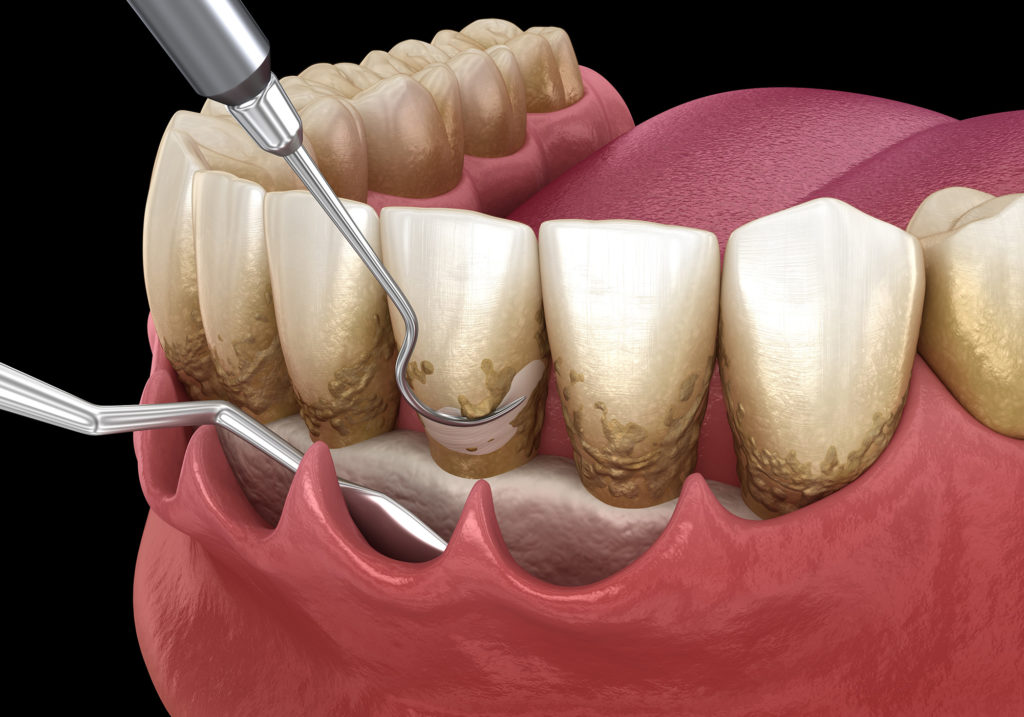
Periodontal surgery is a procedure to treat severe gum disease by repairing damaged tissues around the teeth and jawbone. It may involve gum grafting, flap surgery or bone regeneration to restore oral health. The goal is to reduce gum pockets, restore tissue and prevent tooth loss. This surgery enhances gum function, appearance and overall oral health for lasting results.
Why Choose Us for Periodontal Surgery?
At our clinic, we offer expert periodontal surgery to treat advanced gum disease and restore oral health. Our highly skilled periodontists specialize in a range of treatments, from gum grafting to bone regeneration, ensuring that your gums and teeth are properly cared for. Using the latest technology, we provide precise, minimally invasive procedures with faster recovery times and long-lasting results. We tailor each treatment to your unique needs, ensuring the best outcome for your smile.
We prioritize your comfort and safety throughout the procedure. Our caring team ensures you feel relaxed and well-informed, providing personalized care before, during and after surgery and will guide you through the healing process.
With a focus on restoring your gum health and enhancing the aesthetics of your smile, we are committed to delivering the highest standard of periodontal care.
Expert Periodontists: Highly skilled specialists use advanced techniques to treat severe gum disease and restore healthy gum tissue effectively.
Advanced Technology: We utilize the latest equipment for precise, minimally invasive procedures that promote faster recovery and optimal results.
Personalized Care: We offer individualized treatment plans and ensure the best approach to restore gum health and enhance your smile.
Post Treatment Care
After periodontal surgery, follow your dentist’s instructions for proper care. Avoid hard or chewy foods to promote healing. Rinse with saltwater to reduce swelling and prevent infection. Maintain good oral hygiene, but be gentle around treated areas. Use prescribed medications as directed and attend follow-up appointments. Refrain from smoking and alcohol, as they can hinder healing. Contact your dentist if discomfort persists.